Lecture Reports
Below you will find reports from our lectures. Either click the title to view the report online or download a copy by clicking on the file name next to 'Download report'. Use the search box on this page to find a particular report.
The talk presented to the Cirencester Science & Technology Society by Professor Harold Thimbleby, explaining the root cause of many of the problems with computer systems, and the action we should all take to rectify it.
- Date: Wednesday, 14 May 2025
- Professor Harold Thimbleby
- Swansea University
The talk presented to the Cirencester Science & Technology Society by Professor Lisa Methven, Programme Director for BSc Food Science, Sensory Science Centre, Reading University on the popular subject of the Chemistry of Chocolate.
- Date: Wednesday, 12 Mar 2025
- Professor Lisa Methven, Programme Director for BSc Food Science
- Sensory Science Centre, Reading University
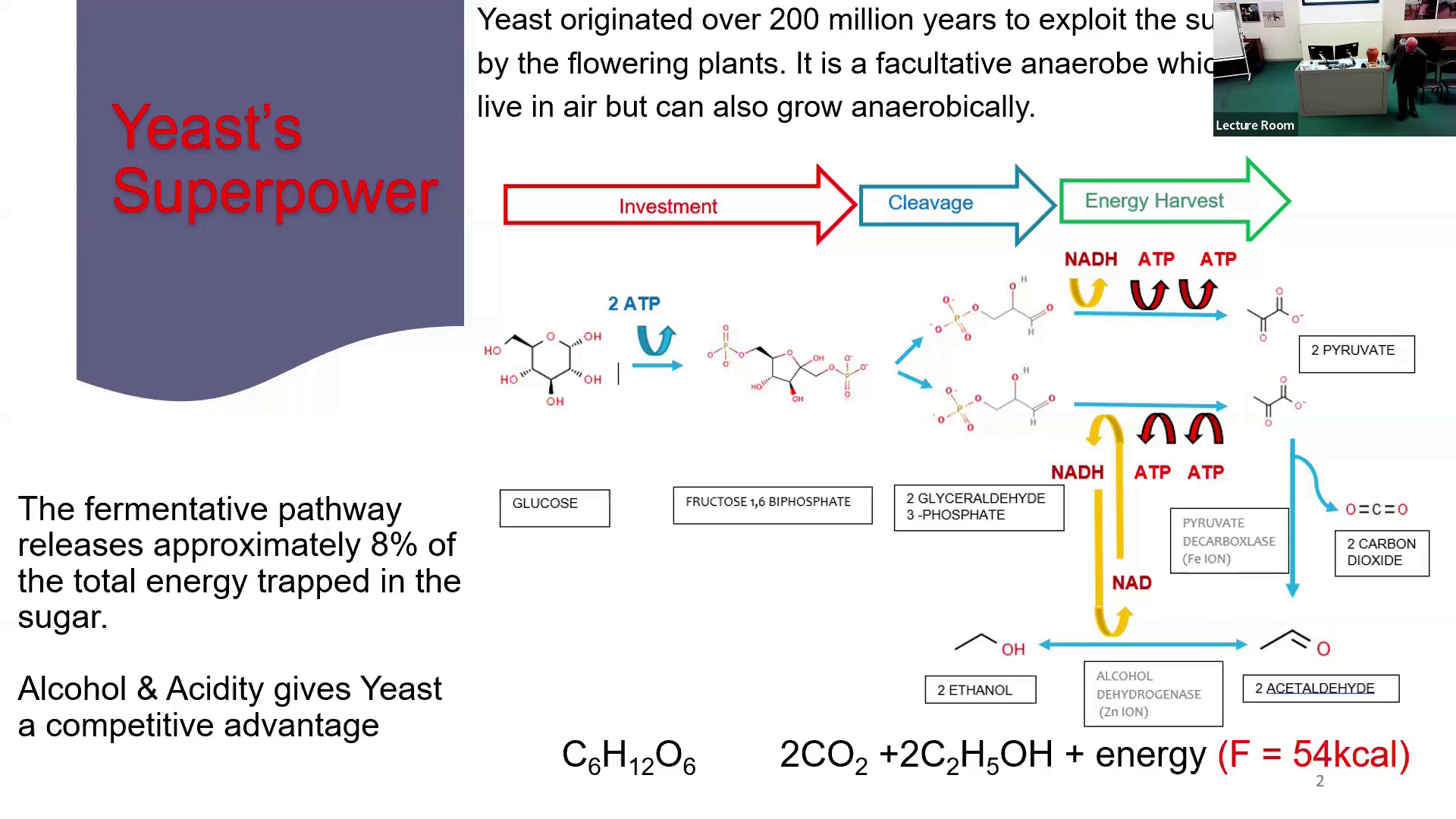
The presentation looks at how yeast has evolved and specialised in fermenting brewers wort, and the genetic and biochemical changes it has made to adapt to this new enviroment. It is the mainstay for a multi billion dollar fermentation industry around the world.
- Date: Wednesday, 12 Feb 2025
- Timothy O'Rourke BA
- The Brilliant Beer Co.
The talk presented to the Cirencester Science & Technology Society by Dr Alex Liu, Associate Professor Department of Earth Sciences, Cambridge University, introducing fossils of the enigmatic ‘Ediacaran biota’, which preserve our oldest records of early animal life, and explaining what we currently know about how and when animals diversified to ultimately dominate the planet.
- Date: Wednesday, 8 Jan 2025
- Dr Alex Liu
- Associate Professor, Department of Earth Sciences, Cambridge University
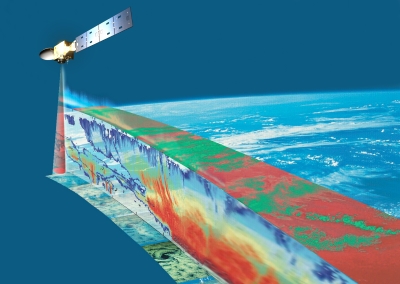
The talk presented to the Cirencester Science & Technology Society by Dr Nigel Wright, Recently Retired Programme Manager at Thales Alenia Space UK, on the subject of the EarthCARE mission.
- Date: Wednesday, 11 Dec 2024
- Dr Nigel Wright, Recently Retired Programme Manager
- Thales Alenia Space UK
The talk presented to the Cirencester Science & Technology Society by Dr Nessa Carey, International Director of Praxis Unico (epigenetic technology transfer), Visiting Professor at Imperial College, London, on the subject of Epigenetics, its mechanism, effects and importance.
- Date: Wednesday, 13 Nov 2024
- Dr Nessa Carey, International Director
- Praxis Unico, Visiting Professor at Imperial College
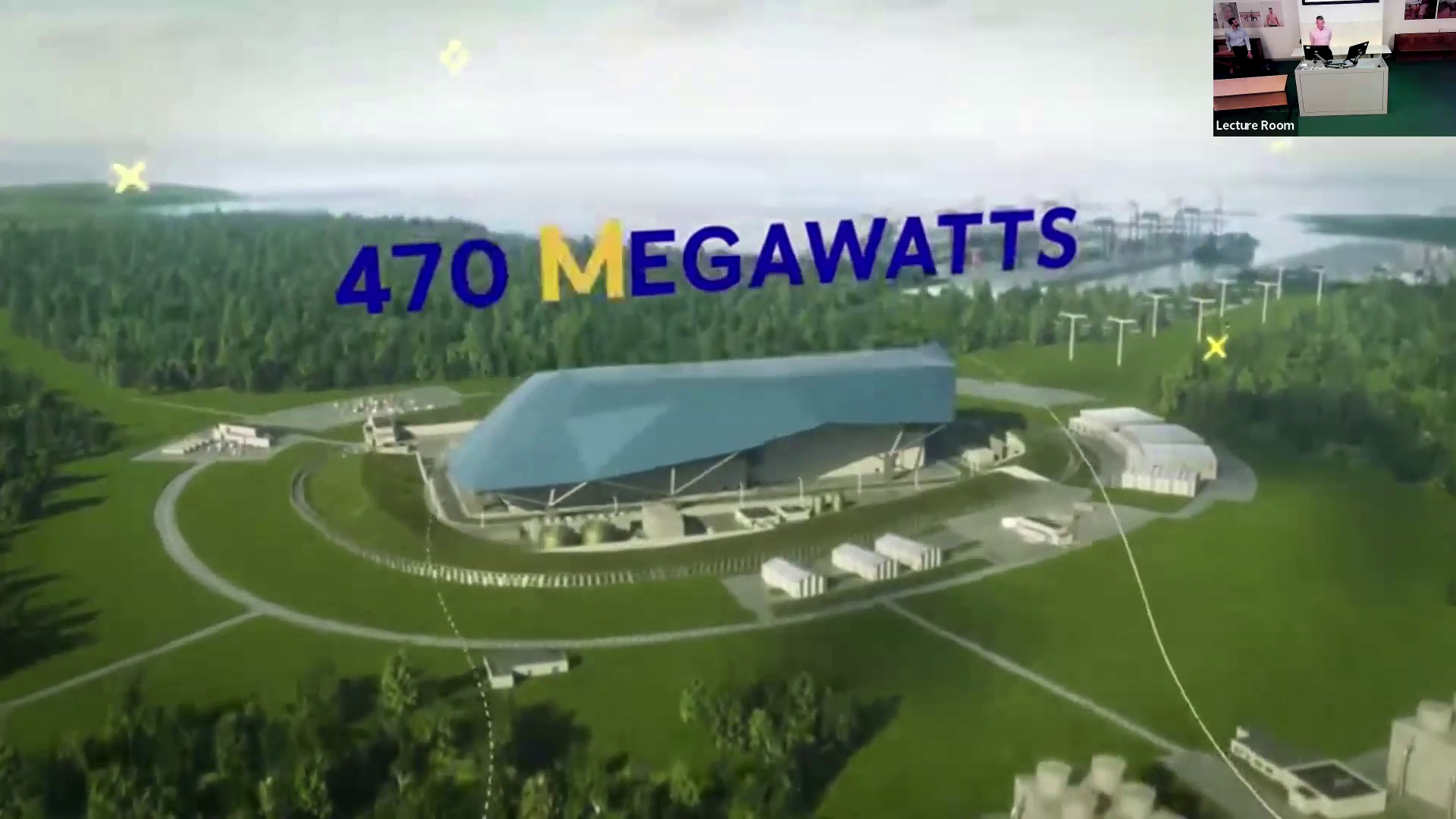
A talk presented to the Cirencester Science & Technology Society by Dr. Jason Swan and Dr. Iwan Grech of Rolls-Royce SMR, about their design of Small Module Reactor.
- Date: Wednesday, 9 Oct 2024
- Dr. Jason Swan and Dr. Iwan Grech
- Rolls-Royce SMR
Or rather, how do they know that?
Thanks to Jurassic Park, Walking with Dinosaurs and other computer-generated imagery, we are all familiar with dinosaurs and other prehistoric animals brought to life on our television and movie screens. But how do scientists know anything about how dinosaurs moved, fed, the sounds they made and their colouration?
- Date: Wednesday, 11 Sep 2024
- Professor Emily Rayfield, Professor of Palaeobiology
- School of Earth Sciences University of Bristol
The talk presented to the Cirencester Science & Technology Society by Professor Adam Hart on the subject of the interactions between predator species and humans.
- Date: Wednesday, 12 Jun 2024
- Professor Adam Hart
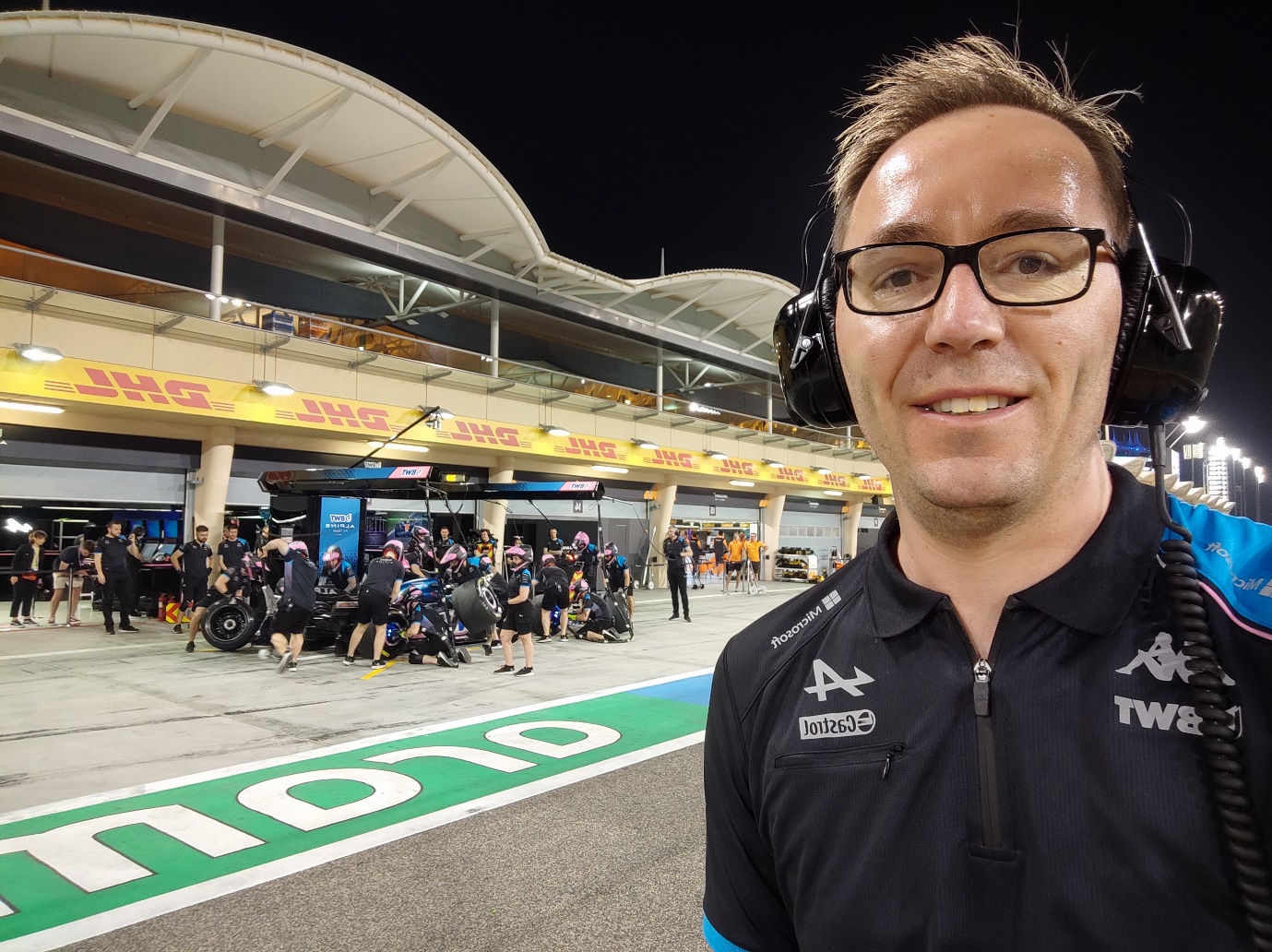
The talk presented to the Cirencester Science & Technology Society by Jeroen Geltink, Deputy Principal Aerodynamicist for the BWT Alpine F1 team at Enstone, about working on the aerodynamic design of the Alpine F1 racing cars.
- Date: Wednesday, 8 May 2024
- Jeroen Geltink
- Deputy Principal Aerodynamicist for the BWT Alpine F1 team at Enstone
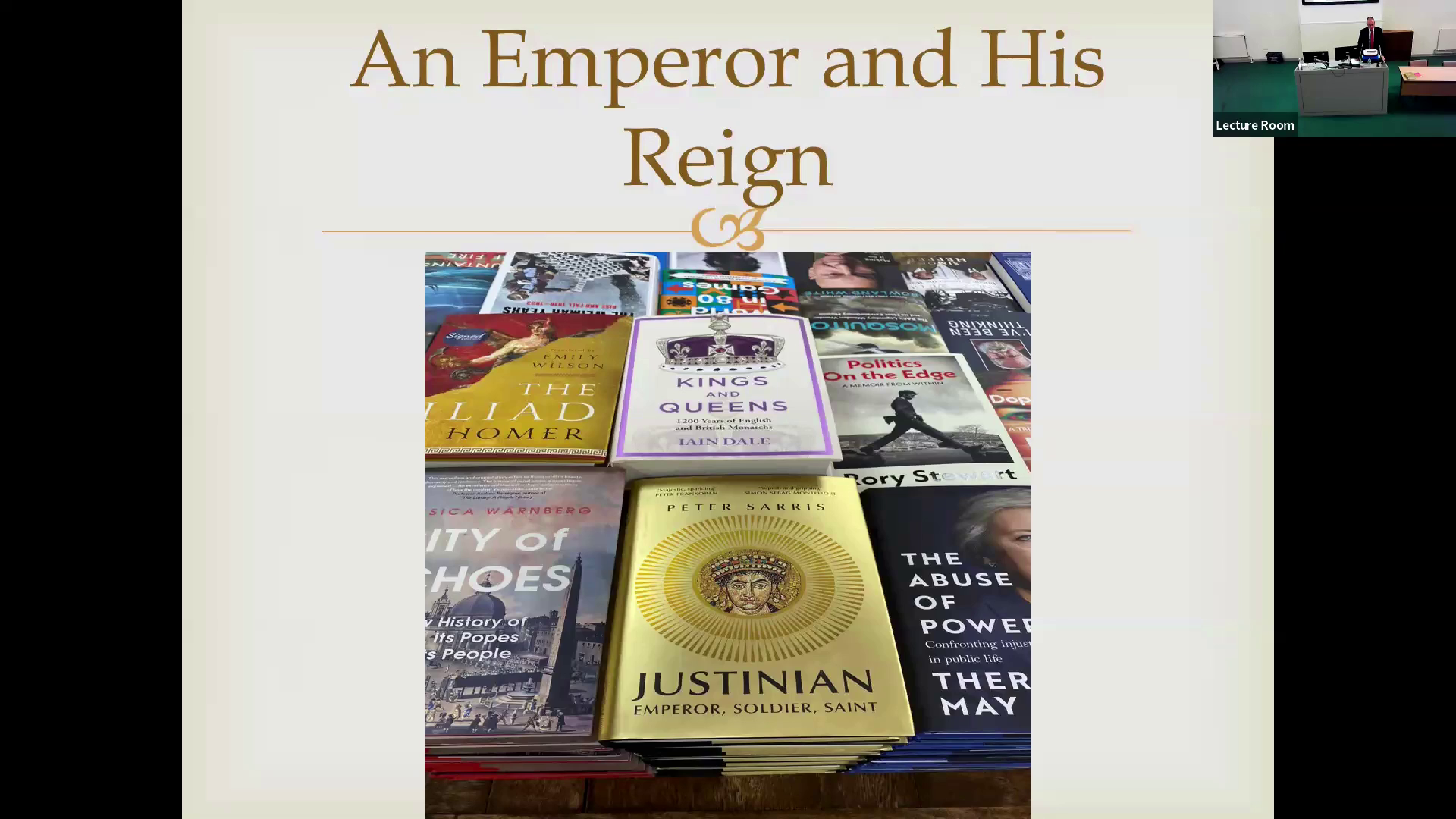
The talk presented to the Cirencester Science & Technology Society by Professor Peter Sarris, Professor of Late Antique, Medieval and Byzantine Studies, University of Cambridge, on the Reign of Justinian and the Plague.
- Date: Wednesday, 10 Apr 2024
- Professor Peter Sarris: Professor of Late Antique, Medieval and Byzantine Studies
- University of Cambridge
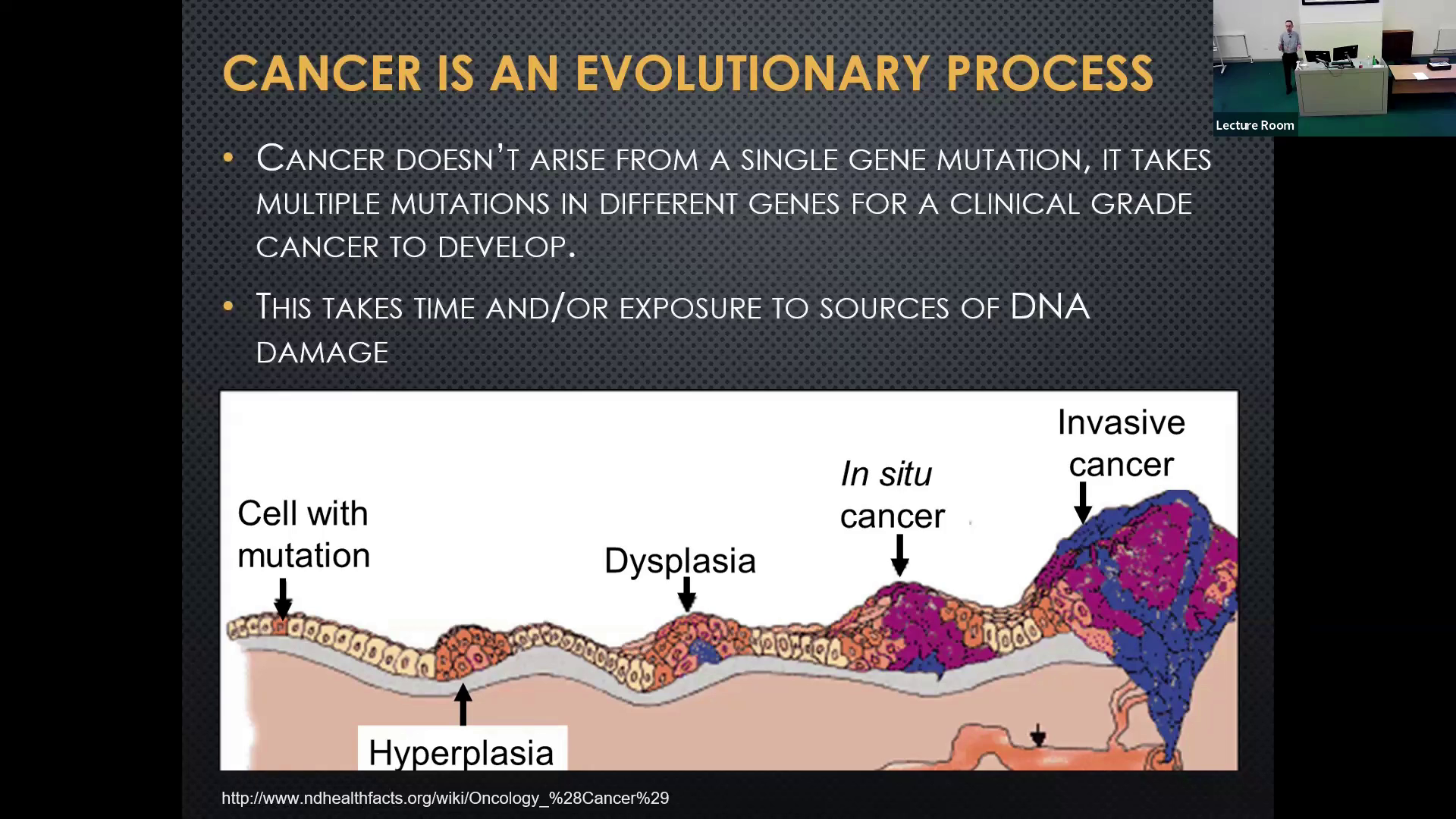
A talk presented to the Cirencester Science & Technology Society by Dr Daniel H. Stones BSc, MSc, MRes. PhD, FHEA on the effects of dietary iron on bowel cancer.
Joint lecture with Royal Society of Chemistry, speaker selected by RSC
- Date: Wednesday, 13 Mar 2024
- Dr Daniel H. Stones BSc, MSc, MRes. PhD, FHEA
- Senior Lecturer in Biosciences, University of Gloucestershire
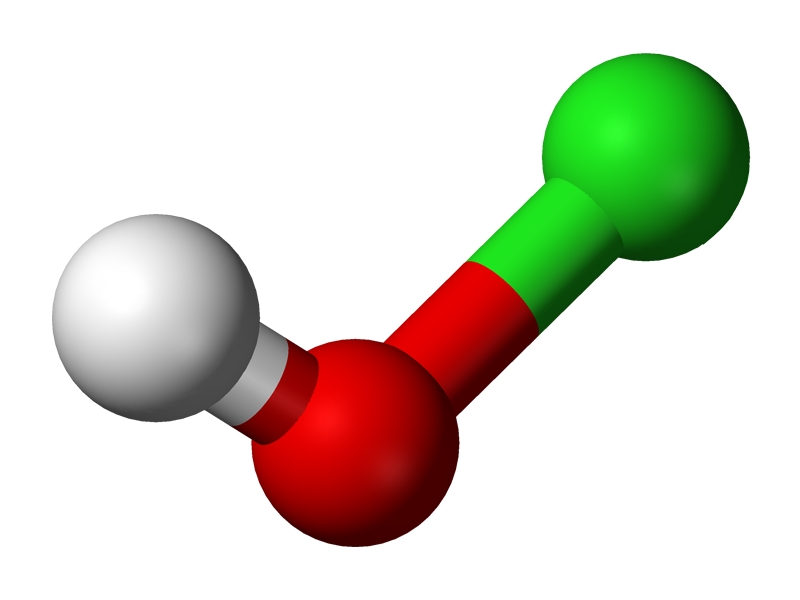
A talk presented to the Cirencester Science & Technology Society by Dr Hugh Martin and Dr Christopher Wise about Hypochlorous Acid and its wonderful antibacterial properties.
- Date: Wednesday, 14 Feb 2024
- Dr Hugh Martin and Dr Christopher Wise
- Honorary Fellow of the RAU, and CSTS Member
A talk presented to the Cirencester Science & Technology Society by Dr Nigel Wright, recently retired Programme Manager at Thales Alenia Space UK.
The talk discussed the various technical challenges facing the engineering team during the design phase which were driven by its unique journey around the Solar System, and some of the results and discoveries which it gave us.
- Date: Wednesday, 10 Jan 2024
- Dr. Nigel Wright
- recently retired Programme Manager at Thales Alenia Space UK
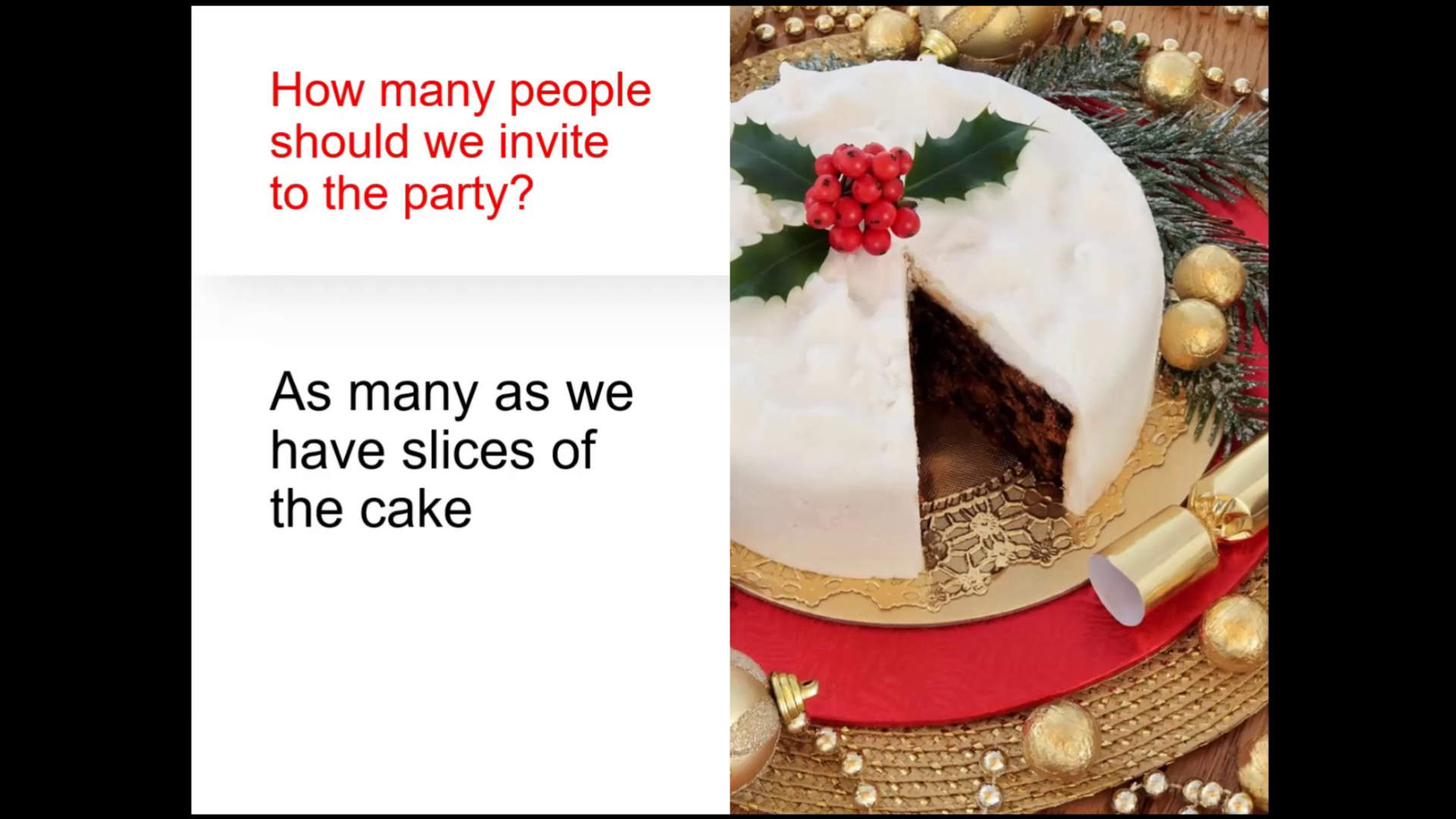
A talk presented to the Cirencester Science & Technology Society by Professor Chris Budd OBE which explains why Rudolf has a shiny nose, and many other important mysteries relating to Christmas.
The reasons turn out to be mathematical, and therefore obviously true!
- Date: Tuesday, 12 Dec 2023
- Professor Christopher Budd OBE
- Professor of Applied Mathematics, University of Bath